As a business owner, dealing with indirect taxes is mandatory, and following the rules for vat in Saudi Arabia protects your company from state investigations, frozen bank accounts, and hefty fines.
The Zakat, Tax and Customs Authority (ZATCA) is responsible for the tax system. Key Points for You to TakeNote of– →Each company boss must know how they can add taxes in their customers bill and gain back tax the strategies business statement on those direct costs which will carry up.
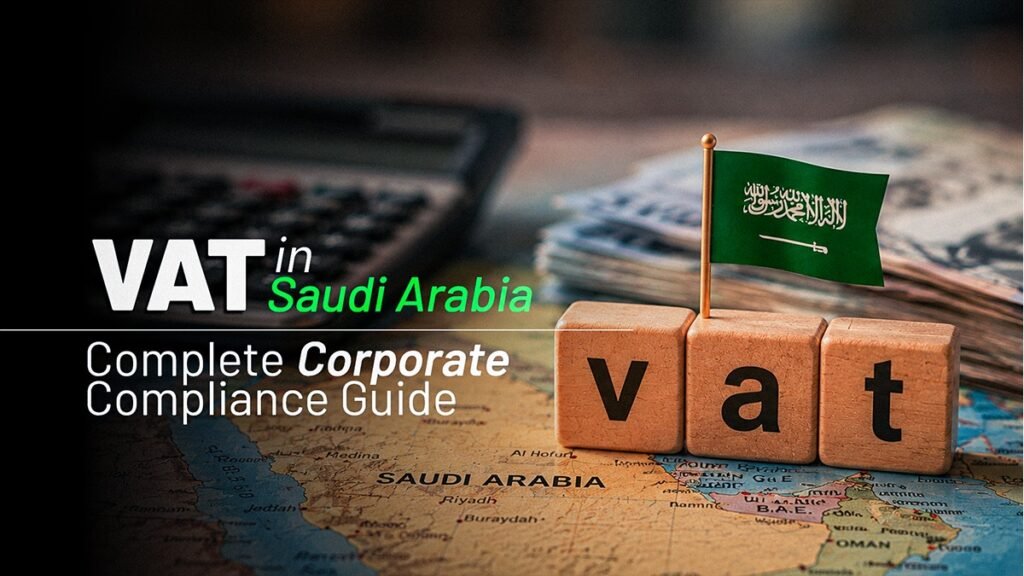
It provides a simple English guide to tax rates, signup limits, digital bills and filing dates.
The Value Added Tax is a tax on goods and services sold in the country. This tax is collected for the government by businesses every step of the way through trade paid directly from buyers.
Japan has a sliding scale of consumer tax, which the end-user pays. This is why businesses are effectively tax collectors, as they balance the taxes they charge customers with the taxes paid to suppliers.
According to Saudi vat rules, the businesses directly transfer the balance between collected tax and paid tax to ZATCA.
The standard rate of vat in Saudi Arabia is 15%, in other words it is a flat rate. The general VAT rate in Germany is 19%, which applies to most commercial goods and shop sales, as well as work done from offices.
Thus, sales can be classified into only three simple categories.
Tax Category | Applicable Rate | Can You Reclaim Input Tax? | Common Business Examples |
Standard-Rated | 15% | Yes | IT Software, Consulting, Retail Product, Marketing, Construction |
Zero-Rated | 0% | Yes | W3C: Exported goods & services, land-based freight, human pharmaceuticals |
Exempt | 0% (Out of Scope) | No | Residential Lease, Home insurance, local Passenger trips |
Zero-rated items = tax is 0% but you still get back the 15% paid for business inputs. You are not able to reclaim any form of tax for exempt goods.
All firms are encouraged to check their other total sales to determine which of them has the deadline for registration with ZATCA. The law is definitional with hard caps based on actual sales in the last 12 months and forecasted sales in the coming 12 months.
Plaintext
Companies generating more than SAR 375,000 in sales are legally required to register for vat in Saudi Arabia. From this point onward, operating without a tax number incurs heavy penalties.
Businesses with sales of SAR 187,500 and SAR 375,000 could opt in if they wished. This enables young start-ups to recover in full the 15% taxes paid on office equipment, computers and set up costs.
Foreign entities that White in local clients can submit for a registration for the Zatca vat mark even if they do not have any physical presence within the Kingdom. There is no minimum sales floor, and the seller needs to register before they make their first sale.
Saudi Arabia: You use a digital network that generates invoices called Fatoora. Digital Signature and E-commerce Page All incorporated firms that are registered for taxation must issue, as well as hold an electronic tax invoice making use of government-approved devices.
Plaintext
Phase 1: Simplistic digital bills with easily scannable QR codes
Phase 2: When billing tools of the company were connected live with ZATCA
All businesses must regularly report on revenue, sales and exports, as well as business costs. Automatic penalties come with missing these due dates.
Filing cycles based on your annual sales volume:
Plaintext
Close of the Tax Period → 30-Day –> Submit an online form+Pay by SADAD!
The first step is to log in to ZATCA to submit your Saudi vat return. Fill the form with your sales, export and eligible cost numbers. On submission, obtain your SADAD bill number and settle the due amount via your business bank account.
Input tax: The 15% tax you pay your company on business purchases. You reclaim this tax from the tax you collect on clients.
Certain costs are excluded from tax deductions under Saudi law. You will not be able to get tax back on catering for staff parties, gifts you buy clients, entry tickets for events, and private cars that employees use.
If you maintain clean books, your business will only claim valid expenses. Tax officers will revoke the deduction and impose penalties if they audit your business and discover blocked claims.
Digital platforms that run sales for outside vendors are required to abide by detailed regulations. Tax Assessment: Online stores and digital apps are considered the seller as of now.
Therefore, the platform has to accumulate and send the 15% tax on behalf of third-party sellers. This applies to foreign online shops and app stores and software platforms selling in the kingdom of Saudi Arabia.
Companies that issue billing will need an expedient authority to credit price changes or returns related notes. These notes must be issued no later than 15 days after the end of the month in which the change took place.
ZATCA simply imposes severe financial penalties on the firms to compel compliance with the law:
The only standard tax rate is a non-progressive and uniform 15% retail tax applied to the majority of goods and services.
Yes. Direct registration with ZATCA is possible for foreign companies selling taxable products or digitally supplied services to domestic customers.
You must file quarterly reports and payments due by the last day of the following month after the end of each quarter. So, quarter 1 is due by April 30th.
Yes. Registered incorporated companies can recover the 15% tax paid on office rent and small items like computers or daily items required for operation.
All businesses that are registered need to keep their digital sales receipts, credit notes and purchase invoices for a minimum of 6 years.
Your trusted partner for Saudi business setup, MISA licensing, software development, real estate investment, visa services, and international company formation. We help investors and businesses grow with end-to-end professional solutions.
