
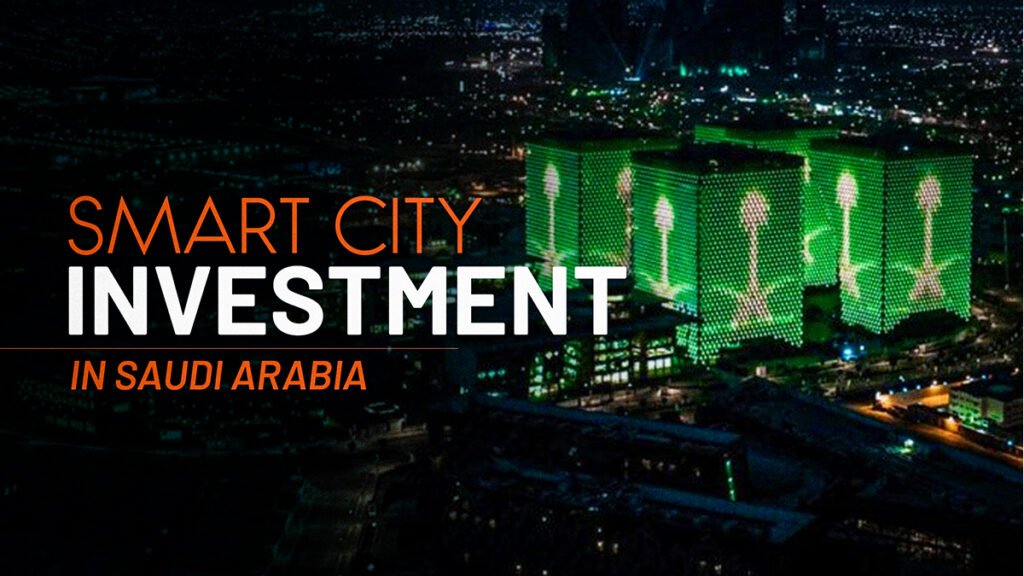
Saudi Arabia is putting hundreds of billions of dollars into new smart cities across the Kingdom. For tech companies, builders, and infrastructure developers, entering the saudi smart city market is a clear path to fast growth. It all ties directly into Vision 2030. Outside companies that jump in early get a massive head start when bidding on multi-year government deals down the line.
The government basically wants to reshape daily living with digital grids, clean power, and self-driving transport. Big national plans like these create prime entry points for international investors. Winning over the long haul just comes down to fitting your business right into these state goals.
Saudi Arabia is not simply challenging the future of architecture and how we engage with urban technology. This is an intentional economic strategy designed to diversify national income, attract foreign direct investment, and develop high-value technical jobs. With inter-connected smart cities that are sustainable development goals, the Kingdom aims to be the Middle East’s business and tech powerhouse.
Public Investment Fund and global partnership initiatives are guiding billions in public funds into these new tech-focused cities. They blend digital communications, green utilities and smart logistics into a single integrated operations network. Thanks to this interconnected configuration, businesses progressively operate with greater efficiency and lower operating costs.
Foreign tech providers and corporate service firms can gain a large market share by climbing into bed with these state initiatives early. A knowledge of the regulatory environment prepares your management for a smooth entry into the market without surprises in timing. Fast-moving companies can establish themselves as trusted multi-billion-dollar state development supply chain partners.
Saudi Arabia has been working on many giga projects in Saudi Arabia to pay back the national economy by replacing oil dependency since the Saudis are funding it. Their mega developments are all about sustainability, high-tech manufacturing and digital service networks. When setting up your investment, the roadmap stays pretty simple: secure your MISA license, register your corporate site, and launch commercial work.
Putting capital into NEOM drops your business right in the middle of global urban design. NEOM operates completely on robotics, clean energy grids, and automated logistics. The project covers several distinct areas—like THE LINE, Oxagon, and Trojena—with each location handling different business needs.
Tech providers making AI tools, sustainable construction materials, or smart utilities can snag big contracts early on. Getting onto approved vendor lists lets your team jump into upcoming project tenders right away. Because construction is happening at such a huge scale, specialized foreign suppliers will see steady demand here for years to come.
Look at cities like Riyadh and Dammam—local authorities are throwing serious funding behind smart infrastructure just to stay ahead of everyday traffic, water demands, and power grids. Because these municipal upgrades are happening all at once, tech vendors are seeing a huge, steady demand for things like IoT sensors, local data centers, and smart traffic tools. City planners simply can’t afford to run things blindly, especially with Riyadh getting ready for millions of new residents before 2030 hits.
Local city governments actively look for foreign partners who can upgrade existing public services. When foreign companies bring over tested smart city tech, it opens doors to real, lasting partnerships with city leaders. On top of that, these municipal projects regularly morph into multi-year service agreements, giving your business a steady, predictable income stream.
Operational sites or bids on public tenders can only proceed for foreign investors after state approval. The Ministry of Investment (MISA) is the entity that grants licenses for foreign investment up to 100% in certain sectors involving significant technical know-how. These approvals for first investment pave the way as prerequisites to sector permits, land allotment and tax registration.
And for example, if your business intends to locally manufacture smart hardware/devices or electronic components, you are obliged to acquire a Saudi industrial license from the Ministry of Industry and Mineral Resources (MIMR). It grants direct access to subsidized land leases in MODON industrial cities, as well as a customs duty exemption on factory machinery imported from abroad. This approval is the most basic step toward establishing physical assembly or production operations in the Kingdom.
Finally, investors are required to provide a comprehensive technical study for the NCEC and approval to obtain necessary environmental compliance permits. Collaborating with local legal experts will help you confirm that your document follows all MIMR requirements at first submission. This phase of documentation and review reduces administrative back-and-forth between your team as well, which allows to maintain that construction schedule for the development.
International companies benefit from operating their setups in designated economic zones that result in lowered operational costs. Such unique zones come tagged with bespoke legal regimes for companies looking to court global talent or supply chain leaders. The government facilitates the establishment of regional headquarters for foreign corporations by compartmentalizing geographic regions with specialized commercial regulations.
Foreign investors can benefit from lower corporate tax rates and deferred customs duty on the imported raw materials, by making full use of SEZ Incentives. These are zones where 100 per cent foreign ownership is allowed and capital movement is also flexible, such as those governed by the Economic Cities and Special Zones Authority (ECZA). These economic benefits especially make special economic zones perfect for foreign companies heavily investing in the re-export of goods and services.
Companies within these zones enjoy quick work visa processing and relaxed local hiring regulations in their early stages. Establishing your company in an SEZ means your business has access to a relatively low-cost base from which to reach out to the entire Middle East. With administrative ease, leadership teams can concentrate solely on driving commercial growth instead of ascending regulatory bureaucracy.
Development Area | Primary Regulator / Authority | Target Industries | Core Investor Benefits |
NEOM | NEOM Company / MISA | Climate AI Fund portfolio: AI, Robotics, Renewable Energy, Smart Mobility | Immediate access to green energy grids and world class neom investment projects |
Special Economic Zones (SEZs) | ECZA / MISA | Advanced Manufacturing, Logistics, Cloud Computing | Competitive SEZ Incentives, tax concessions and 0% customs duties |
MODON Industrial Cities | MIMR / MODON | Hardware Production, Assembly, Clean Tech | The saudi industrial land for subsidised industry |
Riyadh Metro Area | Royal Commission for Riyadh City | IoT, smart infrastructure, Traffic Data Systems | Access to huge public sector tenders and municipal contracts directly |
In urbanization efforts, one of many necessary components is that cities must combine easily with nationwide digital administration methods. One of the things is that all operating corporate entities within the Saudi government are required to connect their internal workflows directly to centralized state systems. Since this setup is fully transparent along the commercial invoicing, workforce management and import clearances.
To operate within the Kingdom, the continued fight against public sector unemployment means knowledge of national labour laws and local employment targets is key. Structured policies by the government ensure that global investments are geared in such a way to benefit local workforce development. Though foreign executives have to incorporate these human resource needs into their operational budgets from the start.
How many local Saudi workers you hire directly dictates your Nitaqat rank. High-tier rankings give your business a smooth ride in the Kingdom, unlocking quick work visas, painless license renewals, and priority status for government contracts. Just make sure to account for strict local hiring quotas on executive, administrative, and engineering positions.
If you want to win major government tech contracts, proving that your business supports the local economy is a must. The Local Content Authority ranks corporate bids by looking at local vendor spending, Saudi worker salaries, and domestic investment. Buying parts locally and hiring local technical talent boosts your bidding score dramatically.
To arrive at a Saudi smart city market, you need an explicit management plan. Establishing your legal setup in advance helps you stay on track with your expansion project and avoid incurring unnecessary costs. If you follow a structured step-by-step approach it prevents basic administrative errors when starting off in your new domain.
Succeeding in the Saudi smart city market really comes down to two simple steps: planning ahead and getting your paperwork cleared early. Sorting out your legal permits upfront gives your team plenty of runway to build real partnerships with local vendors long before big commercial tenders open up.
Building strong, ground-level connections with local partners, municipal leaders, and suppliers matters just as much as getting your legal paperwork stamped. Establishing those relationships early helps your tech team match your products to what regional projects actually need.
Getting your MISA and sector approvals handled early keeps your expansion moving without running into bureaucratic walls. Setting up a fully compliant corporate structure gives your company a solid base for long-term growth across Saudi Arabia’s expanding smart cities.
Your trusted partner for Saudi business setup, MISA licensing, software development, real estate investment, visa services, and international company formation. We help investors and businesses grow with end-to-end professional solutions.
