
Saudi Arabia has become one of the world’s fastest-growing investment destinations. With strong government reforms, 100% foreign ownership opportunities, and Vision 2030 initiatives, the Kingdom offers exceptional opportunities for international entrepreneurs and companies looking to expand into the Middle East.
If you want to win big contracts for this event, you need a plan as soon as possible. If foreign companies intend to win work on an ongoing basis, they cannot afford to be reactive. You want to create an actual presence on the ground, receive state permits and register into national vendor portals.
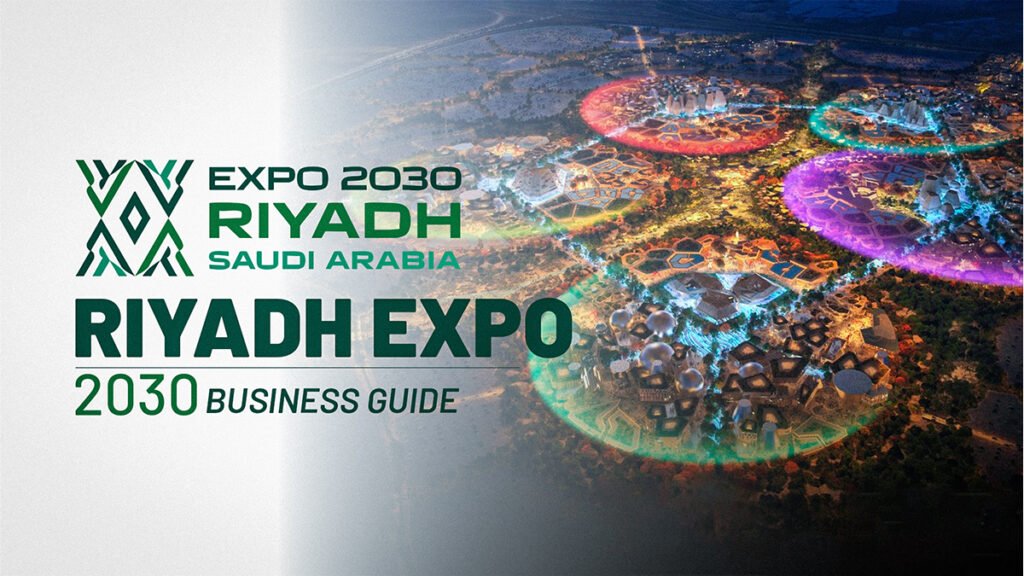
This practical guide details summarize the key business opportunities in Riyadh, company registration process, utilization of state bidding portals and basic guidelines that every foreign investor must be aware of.
Hosting a world expo means constructing huge new facilities throughout the capital. The hub’s main venue site spans 6 million square meters in North Riyadh right next to king Salman International airport. The demand for foreign outfits is increasing every day at this site because of the largeness of the project and shortage of local technology, construction skills and specialist services.
Included in the historic announcement by Arab officials recently is an eye-catching budget for Saudi Arabia to lavish on cities to put them in shape for an influx of more than 40-plus million visitors.Many fast growing sectors are in need of global partners and commercial contracts are wide open on:
Industry Sector | Primary Focus Area | Key Contract Opportunities |
Infrastructure | Smart venues & public transit | Heavy construction, Modular BuildOut, Rail Links, Road Network |
Clean Utilities | Solar power & waste control | Solar grids, Water recycling systems, Green power networks & Cooling plants |
Technology | Event safety & operations | Crowd control, artificial intelligence, 5G networks, cloud data centers and cyber security |
Hospitality | Visitor stays & site services | Hotel management, catering networks, logistics and building cleaning |
A real legal business based in Saudi Arabia has to be registered if your company intends to bid for official government projects. When you complete your Saudi Business Setup, your company in this new country can legally hire workers according to all local regulations and send bills directly to state clients.
The next big step for companies with foreign ownership is obtaining a misa investment license from the Ministry of Investment of Saudi Arabia (MISA). While foreign owners of such a business entity enjoy all the legal rights of an owner of the company in almost all commercial sectors.
There are five operational elements to establishing your company and they are relatively simple to complete:
Foreign suppliers have to register at official government vendor sites where they can tender for public contracts. By registering for official expo 2030 procurement programs, your business will be able to contact project managers and main construction teams directly.
Several Saudi government agencies publish tenders on shared digital portals, where supply chains can check vendor papers and manage supplier accounts.
Here are the diligent procurement steps you should take to prepare your company for expo 2030 tenders:
Local Content and Government Procurement Authority (LCGPA) requirements also apply to foreign contractors. Your company will benefit from getting larger government tenders, the more local Saudi workers you hire and the more products located in Saudi Arabia you buy.
It actually requires a stable cash flow and prudent financial planning in order to successfully propel your business into an international market. Fortunately, the Saudi government and local banks have various programs to help foreign contractors finance their work and build new facilities.
There are several sources of funding that can be used by foreign companies in the Kingdom:
Saudi Arabia: Clear national labour laws, tax rules and digital systems. Following these rules means protecting your company from penalties and enabling the faster granting of much-required governmental approvals.
Key business rules include:
Awarding contracts for the world expo is all about getting in early, networking locally and actual staff on ground. When you set your company up like, um, early to the show, and your team can pass vendor checks ages before big contract rounds close.
To make the most of your opportunities in Riyadh expo 2030 you must have obtained a misa investment license, chosen local partners and completed your registration on the Etimad portal in advance. Having good business preparation would help you protect your money and also as a long-term solid foundation for your growth in Saudi Arabia.
Get a structured checklist to ensure your expansion proceeds without a hitch:
When you follow these steps early your company will be ready to build great relationships with local partners and win contracts when Riyadh expo 2030 comes.
Your trusted partner for Saudi business setup, MISA licensing, software development, real estate investment, visa services, and international company formation. We help investors and businesses grow with end-to-end professional solutions.
